
Big Oil declares war on climate lawsuits
The American Petroleum Institute will prioritize shielding oil companies from climate liability in 2026.
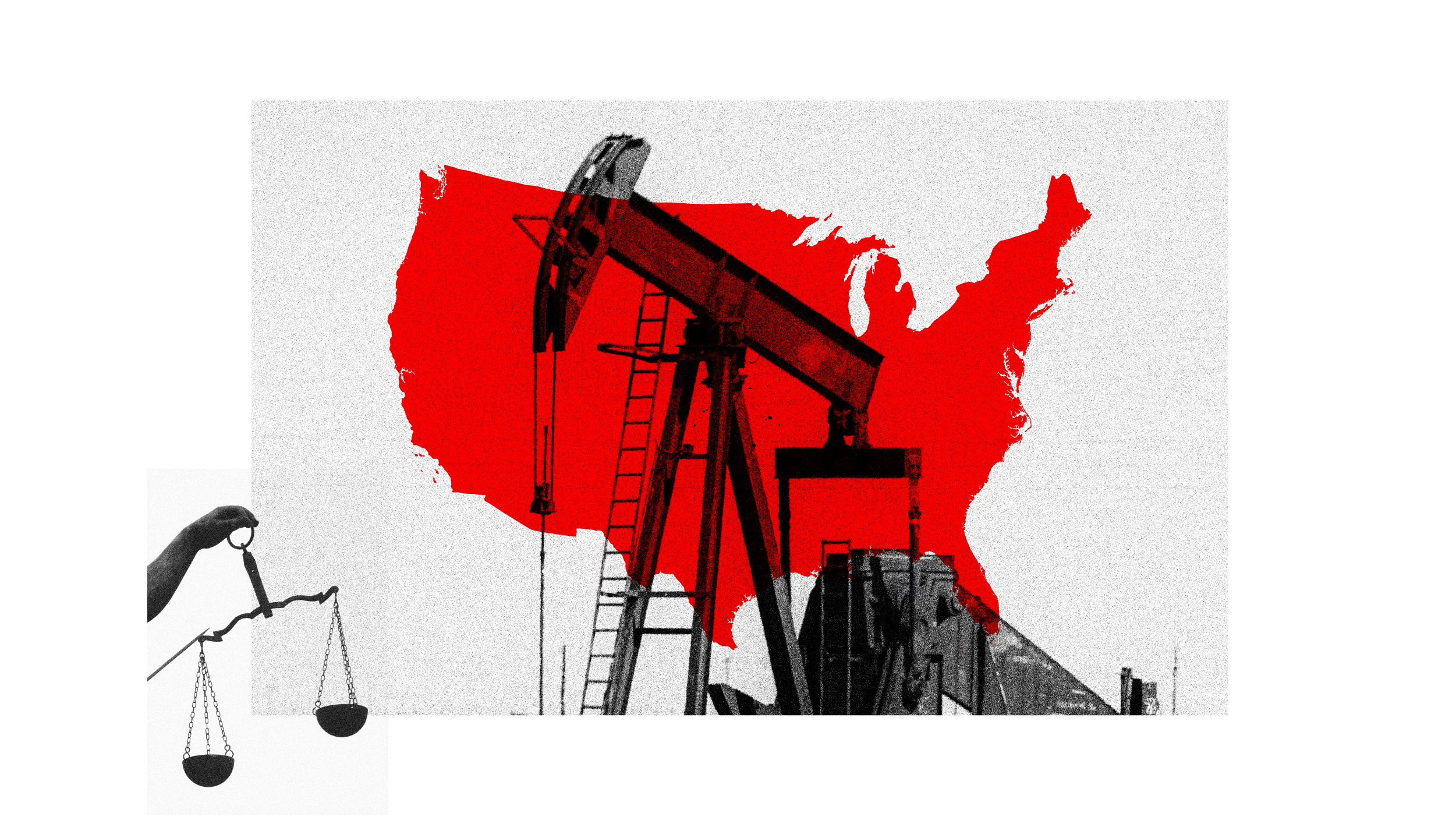
One of the U.S. oil lobby’s top priorities for 2026 will be trying to put an end to the growing number of state laws and lawsuits that could make fossil fuel companies pay billions for their role in the climate crisis.
The plans to “protect” oil companies from “abusive state climate lawsuits” were laid out in a policy agenda yesterday from the American Petroleum Institute, the largest oil and gas trade association in the country. In an effort to avoid becoming the next Big Tobacco, according to previous reporting, the oil lobby is hoping to stomp out lawsuits that could result in massive damages, unearth private company documents, and in some cases dramatically alter their marketing practices, before they reach trial.
API also said it would try to quash the “expansion of climate ‘superfund’ policies” — state laws that make oil companies fund climate disaster recovery and adaptation, two of which the American Petroleum Institute and other industry allies are challenging in court.
The agenda makes official the oil industry’s escalating lobbying effort since Trump took office to pressure Congress to pass legislation shielding oil companies from climate cases brought by dozens of state, local, and tribal governments across the country.
The industry may only have a year left with a Republican trifecta in Washington to secure a “liability shield,” which 16 Republican state attorneys general asked the U.S. attorney general to recommend to Congress last year. State bills strictly limiting state and city officials’ ability to bring climate lawsuits against oil companies have already been introduced in Utah and Oklahoma.
A separate House Republican proposal to prevent the District of Columbia from using funds to enforce its consumer protection laws against “oil and gas companies for environmental claims” appears to have been defeated for now.
The lawsuits argue that major oil companies should be held liable for deceiving the public about the dangers of fossil fuels, and despite some rulings for oil companies in lower courts, a number of cases are moving forward toward trial. The American Petroleum Institute itself is named as a defendant in many of them, including cases filed by the attorneys general of California, Minnesota, Hawai’i, Delaware, and New Jersey.
The push comes as other industries, including pesticides, Big Tech, and private prison operators, are seeking similar industry-wide legal protections. The most notorious success was notched by the gun lobby in 2005, when it convinced lawmakers to pass a law shielding gun manufacturers and sellers from lawsuits brought by victims of gun violence and their local representatives. If oil companies are as successful as the gun industry was, advocates and legal experts fear victims of climate disaster could also be prevented from holding companies accountable for their wrongdoings — at a cost to democratic rights.
The oil industry’s lobbying in Congress comes as they continue to fight climate deception lawsuits in court. The Supreme Court has already turned down five oil industry requests to intervene in the cases before they reach trial. But a sixth petition from ExxonMobil and Suncor in a lawsuit brought by Boulder, Colorado, is currently under consideration by the justices. Like many of the other lawsuits, Boulder’s case seeks to recover damages from climate-fueled disasters, like Colorado’s deadly and destructive Marshall Fire, and for adapting to extreme weather events.
The oil industry has had a valuable ally in the Trump administration in its effort to defeat the cases. The Department of Justice supported the fossil fuel companies’ petition for the Supreme Court to take Boulder’s case. Trump previously issued an executive order ordering the Department of Justice to put an end to climate lawsuits, and the DOJ has since preemptively sued two state governments that signaled their intent to bring climate deception cases.
The Trump administration has also targeted superfund legislation, or state bills that would make oil companies pay into a fund for climate adaptation and disaster recovery based on their respective levels of emissions over a set period of time. The DOJ is suing Vermont and New York over their superfund laws, and similar laws have been introduced in other states. According to lobbying disclosures, ConocoPhillips has pressured Congress on the superfund bills.
In a Tuesday keynote address, API president and CEO Mike Sommers said that “punitive state proposals and extreme lawsuits would retroactively punish energy producers for meeting consumer demand.” Sommers labeled those who challenge the industry or oppose the record-high production of oil and gas as “denying facts, delaying progress, and ignoring the realities of rising demand.”
In an interview with ExxonKnews last month, environmental law professor and senior fellow Pat Parenteau of Vermont Law School asked: “If these cases are as frivolous as the oil companies’ briefs pretend, then why in the world are you busting your butt to get a declaration of immunity from Congress?”
This is a developing story.
I look forward to any plaintiffs presenting scientific evidence to show that drilling holes in the ocean floors to suck out oil changes the climate worldwide, but drilling holes in the ocean floors to instal wind turbines has no effect on the climate worldwide..